
Writings
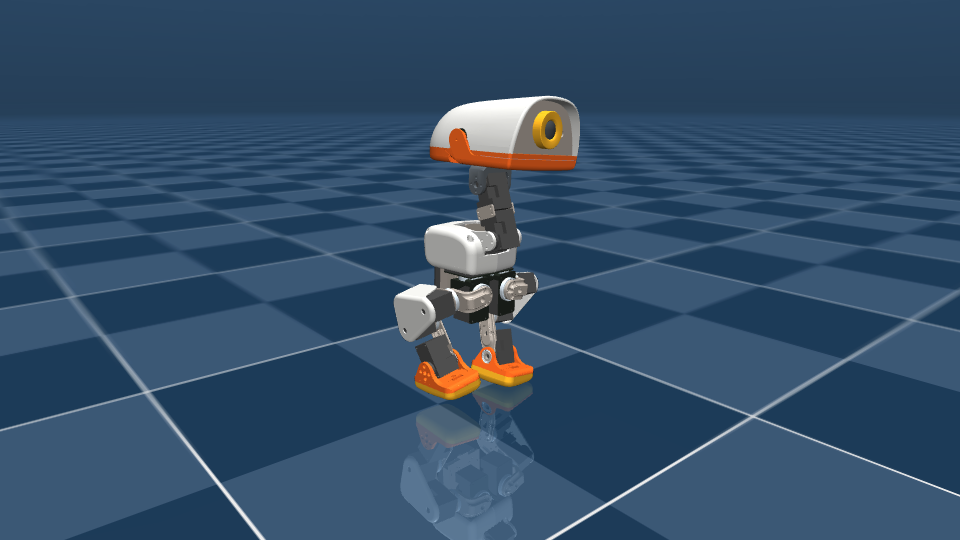
Why Rebuild a Walking Robot Duck in Modelica?
A flock of 25 cm MicroDuck robots walked out on stage with Jensen Huang at NVIDIA GTC. Pollen Robotics and Hugging Face released the MuJoCo training environment and neural network weights under…
Read post →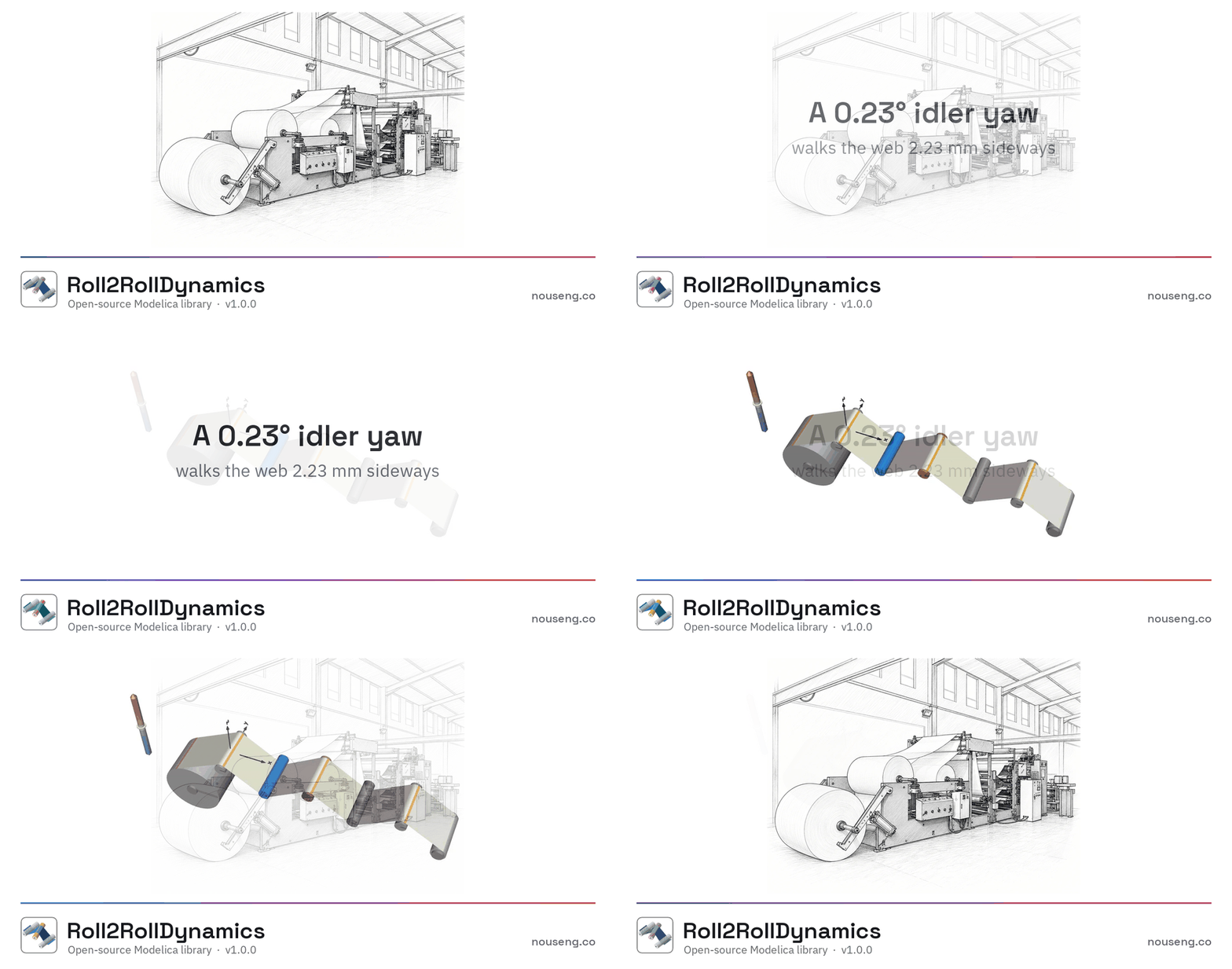
Modeling a Moving Web with Roll2RollDynamics
Roll2RollDynamics is a Modelica library for roll-to-roll web handling. Spans stretch, rolls slip, nips load and winders change radius, all in one connected model that also tracks where the web runs…
Read post →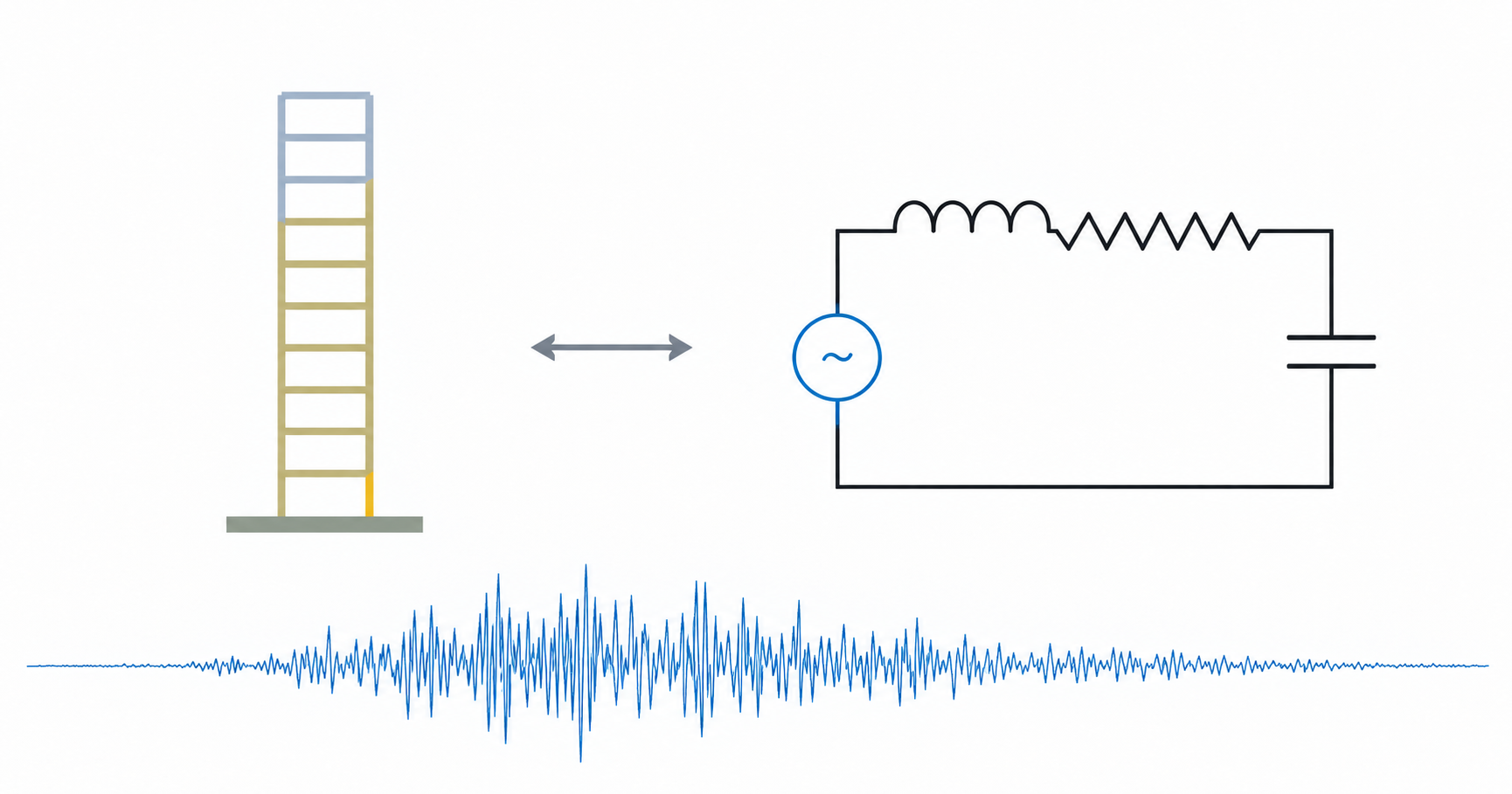
What Can Electrical Circuits Teach Us About Earthquake Engineering?
Why does the same building sway so differently under two earthquakes? In Figure 1, peak horizontal ground acceleration (PGA) is 0.42 g for Northridge 1994 and 0.51 g for Kobe 1995, where g is…
Read post →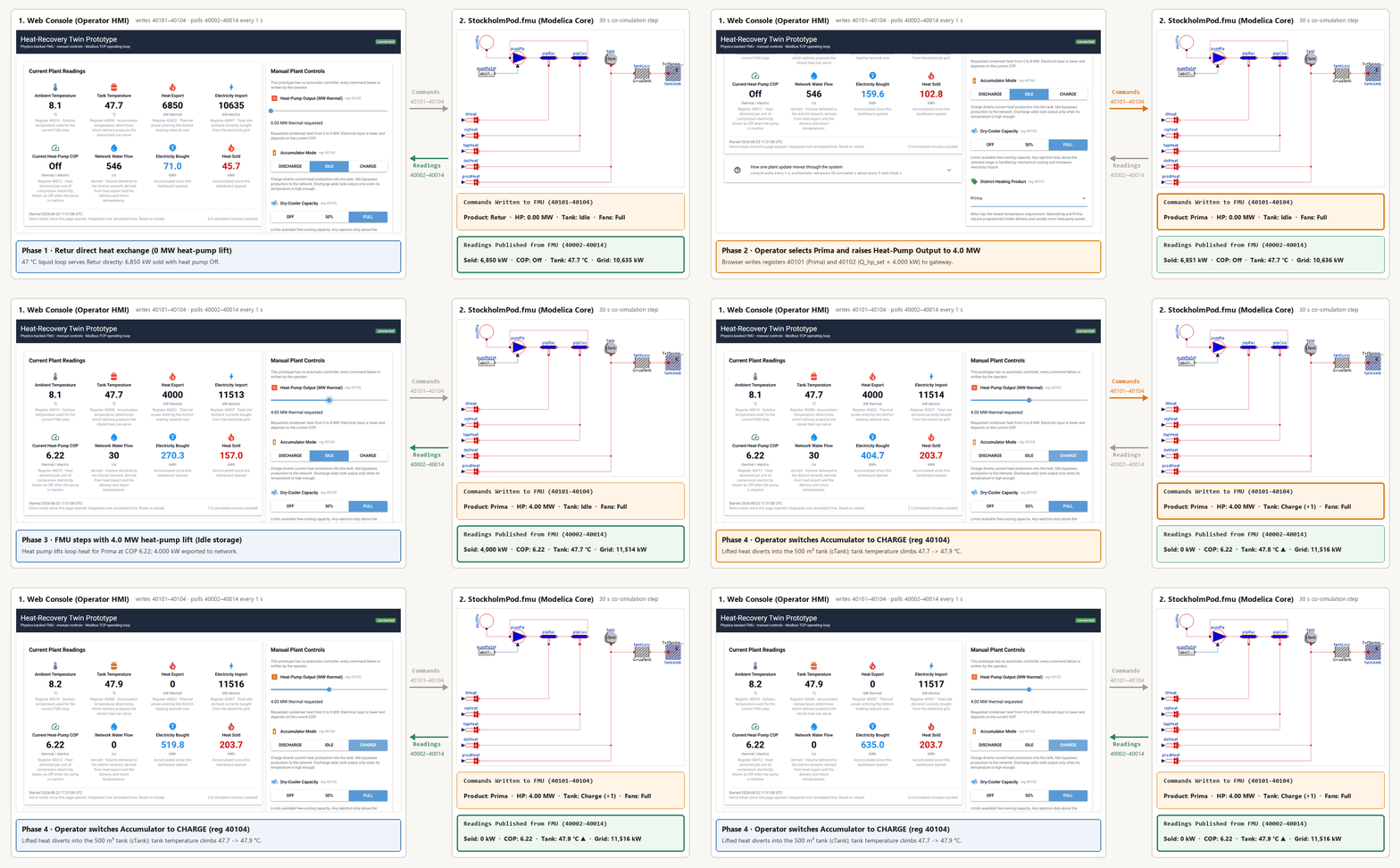
Building a Digital Twin's Skeleton, End to End
Picture a data-center pod beside Stockholm's district-heating network. Its servers reject heat continuously. A heat pump can lift that heat to a useful temperature, while an accumulator can shift…
Read post →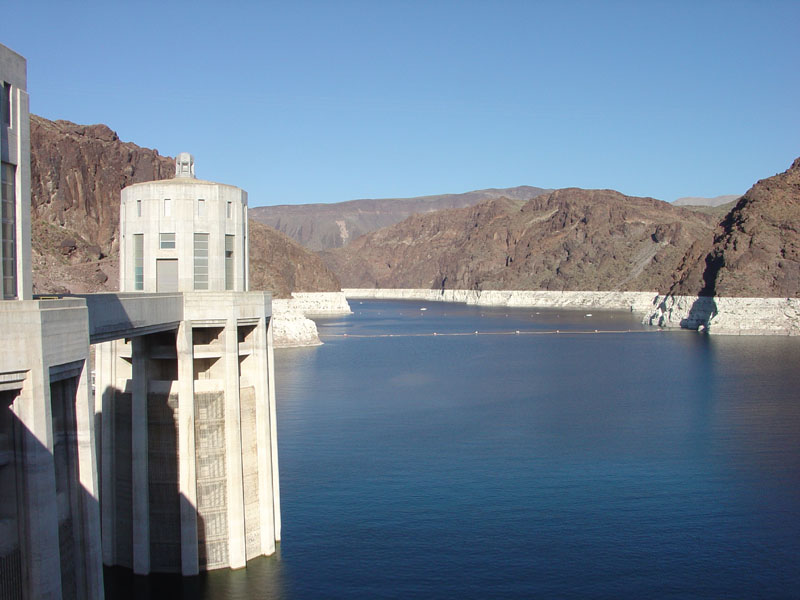
Why Stockholm, Not Arizona: Where AI Waste Heat Has a Buyer
A bathtub ring: mineral left on rock the water used to cover. Lake Mead from Hoover Dam in 2005. The band has grown a great deal since. USGS, public domain. On August 8, 2026, Lake Mead, the Colorado…
Read post →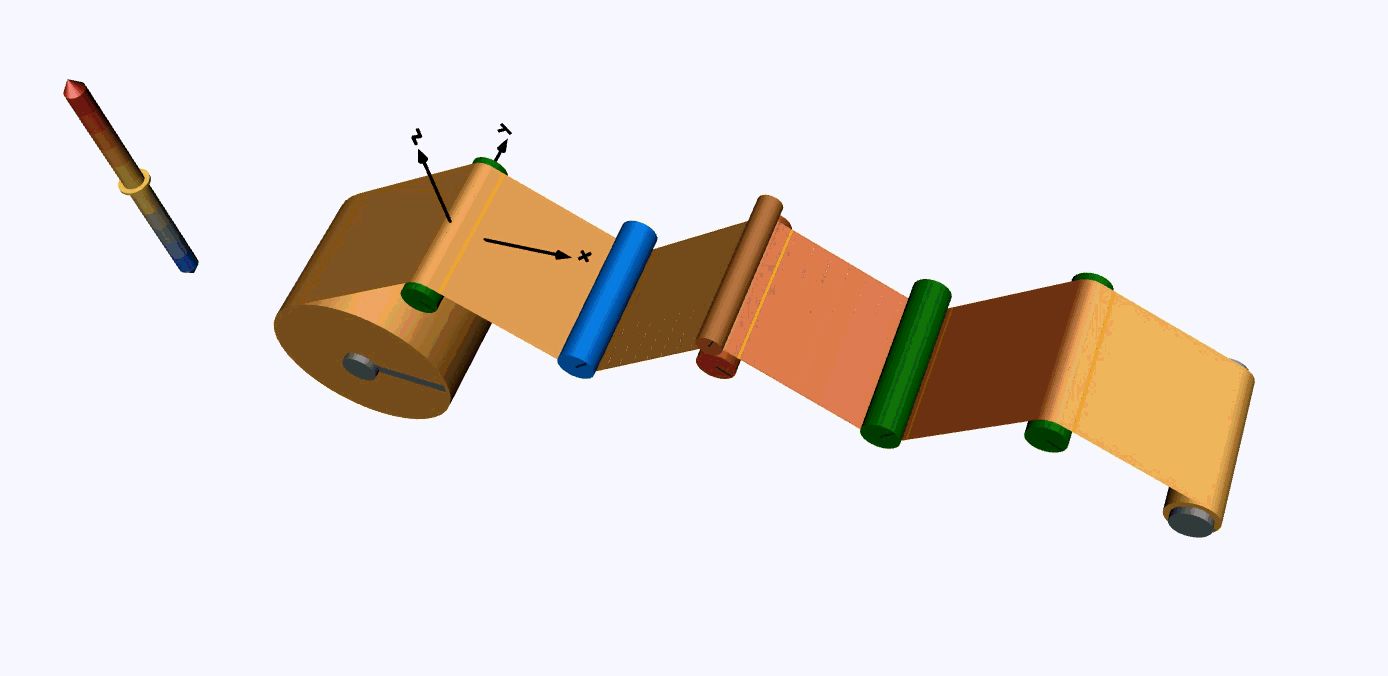
More Grip, Better Tracking? Modeling the Tradeoffs
The slip reading improves. The web stays off centre. Has more nip force solved the problem? In this simulated film-winding line, increasing nip load cuts accumulated slip by 66%, while final lateral…
Read post →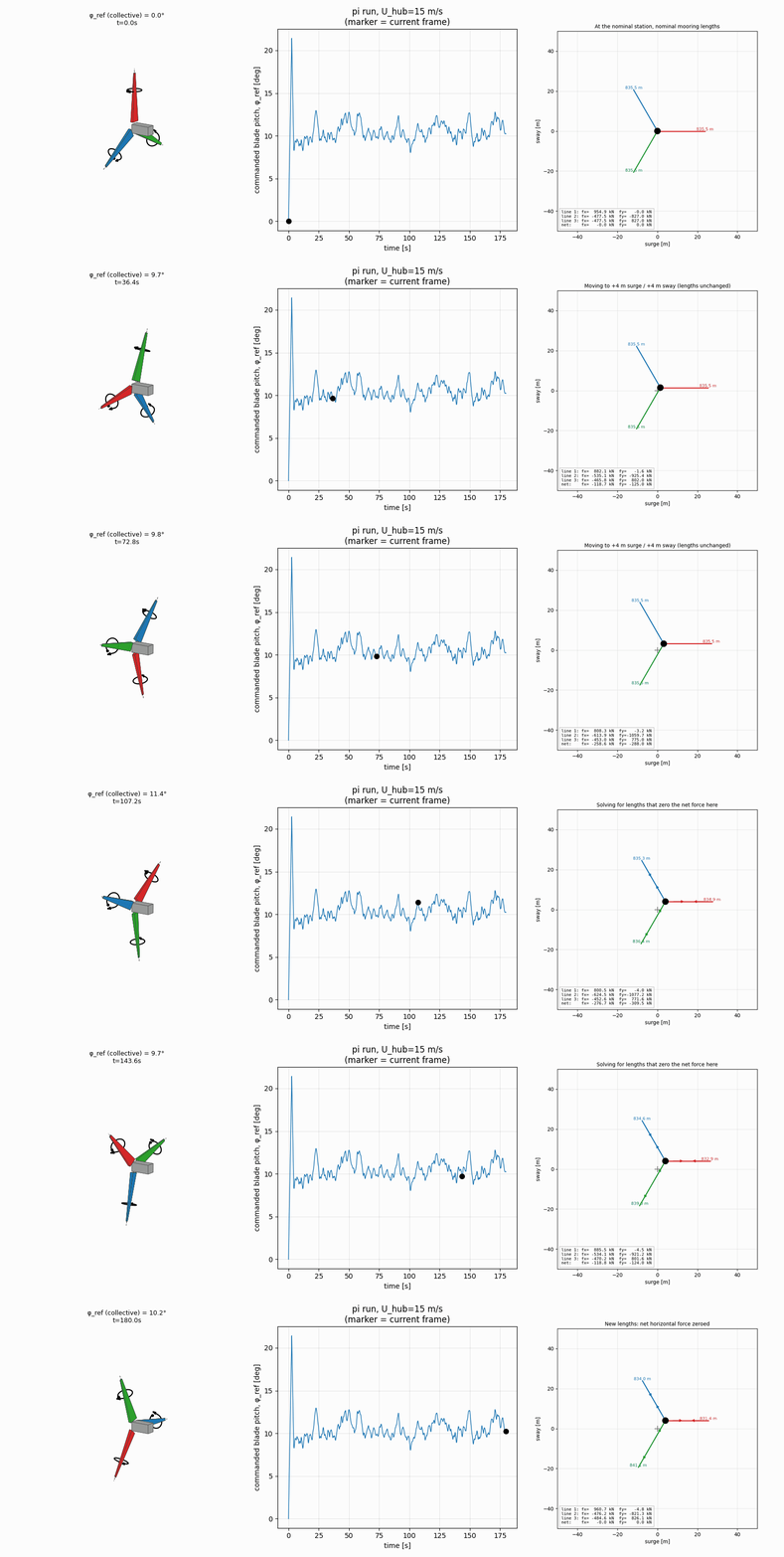
Pitch Damping and Mooring Repositioning: The Same Kind of Control?
The FOWT model from our previous post could simulate platform motion, resolve the mooring loads, and report whether a run stayed within its limits. It could observe the system, but it could not…
Read post →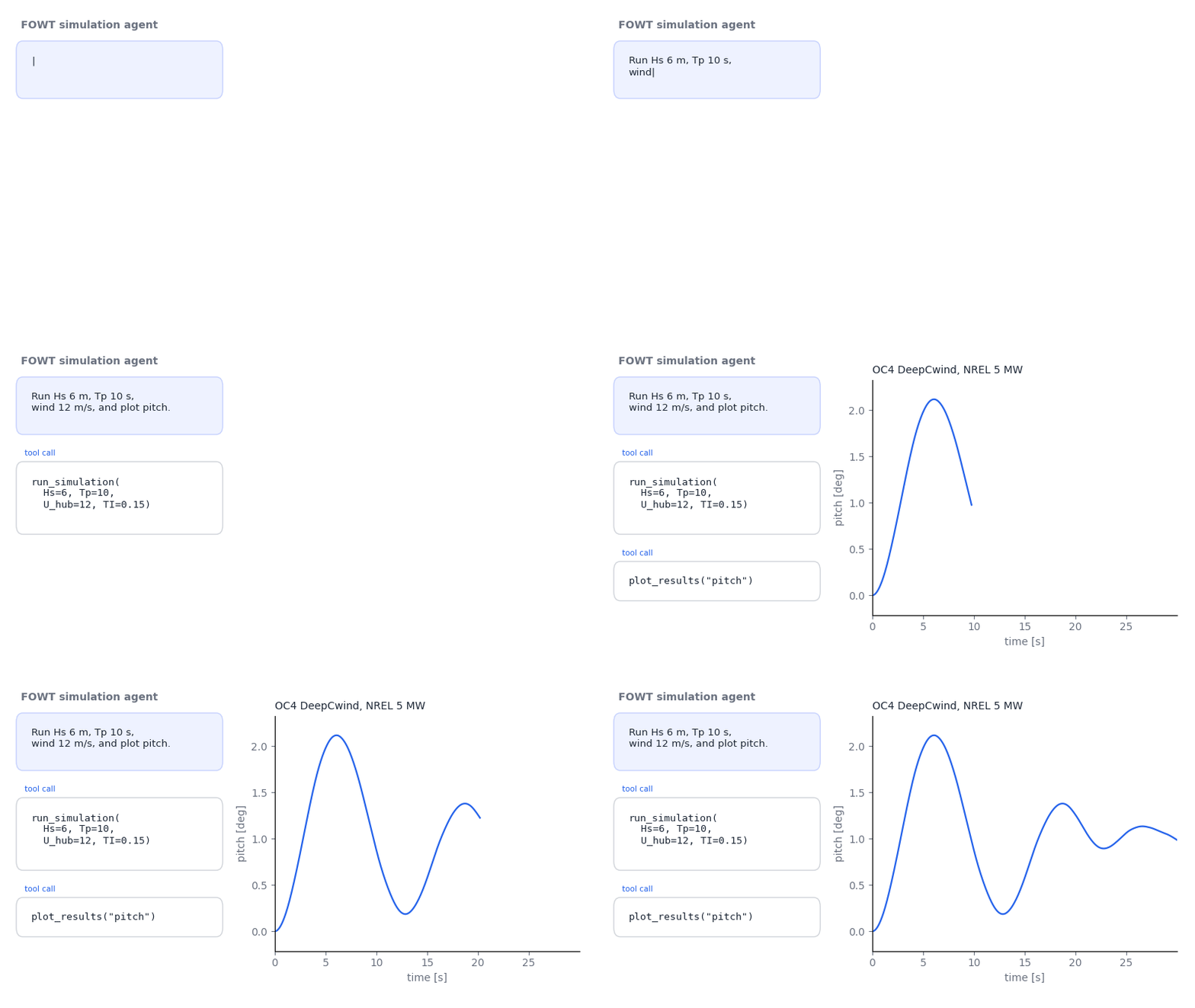
Who Runs Your Simulation When You're Not a Simulation Engineer?
tl;dr. Parts 1 and 2 of this series built a floating-wind mooring model and turned it into a dynamic co-simulation. By the end of Part 2 the simulator could already answer real engineering questions.…
Read post →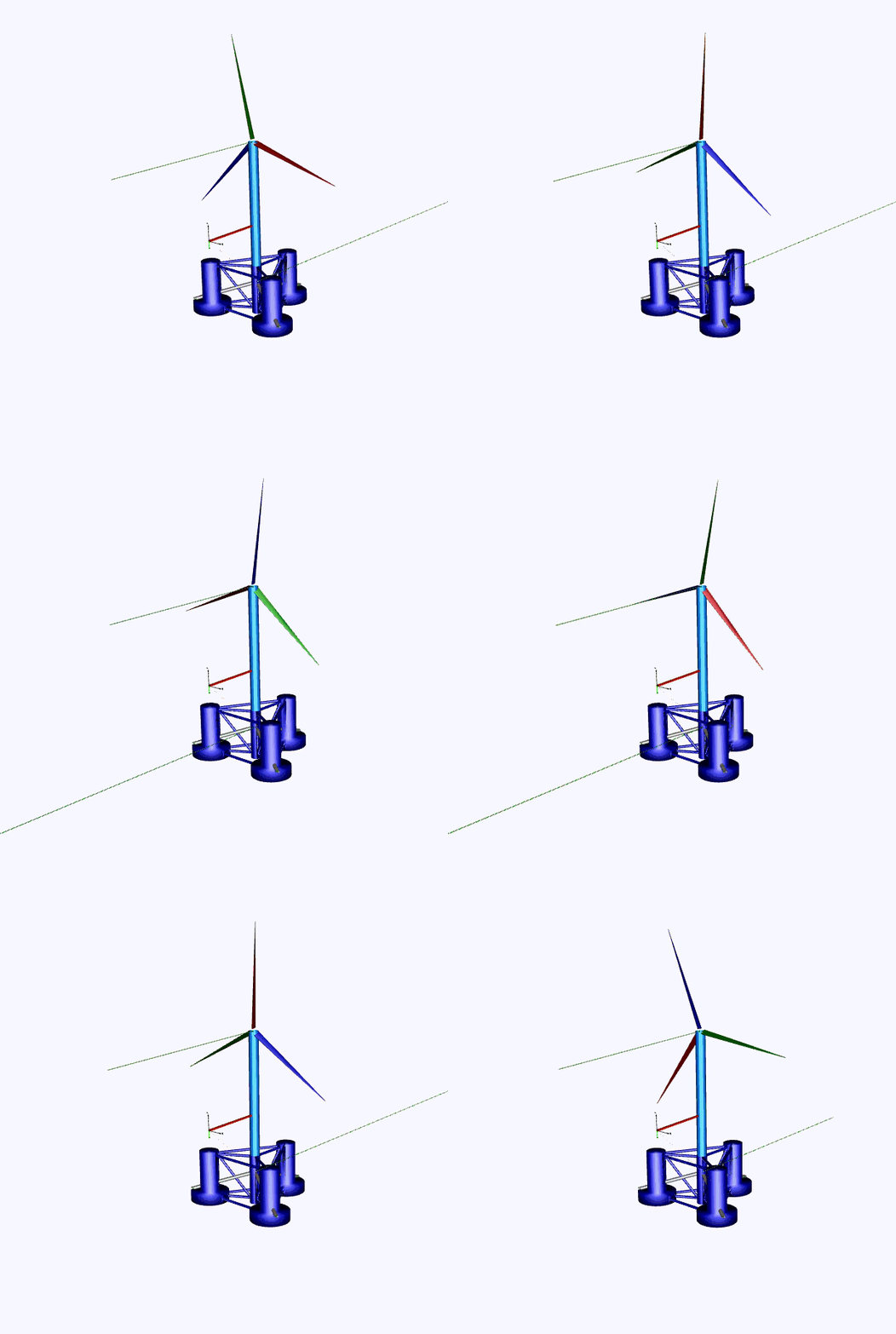
It Moves Now: Dynamic Mooring with a 6DOF FOWT
A floating wind turbine that never moves isn't telling us very much. Part 1 of this series held the platform at a single frozen offset, a useful first look at the mooring physics, but no real…
Read post →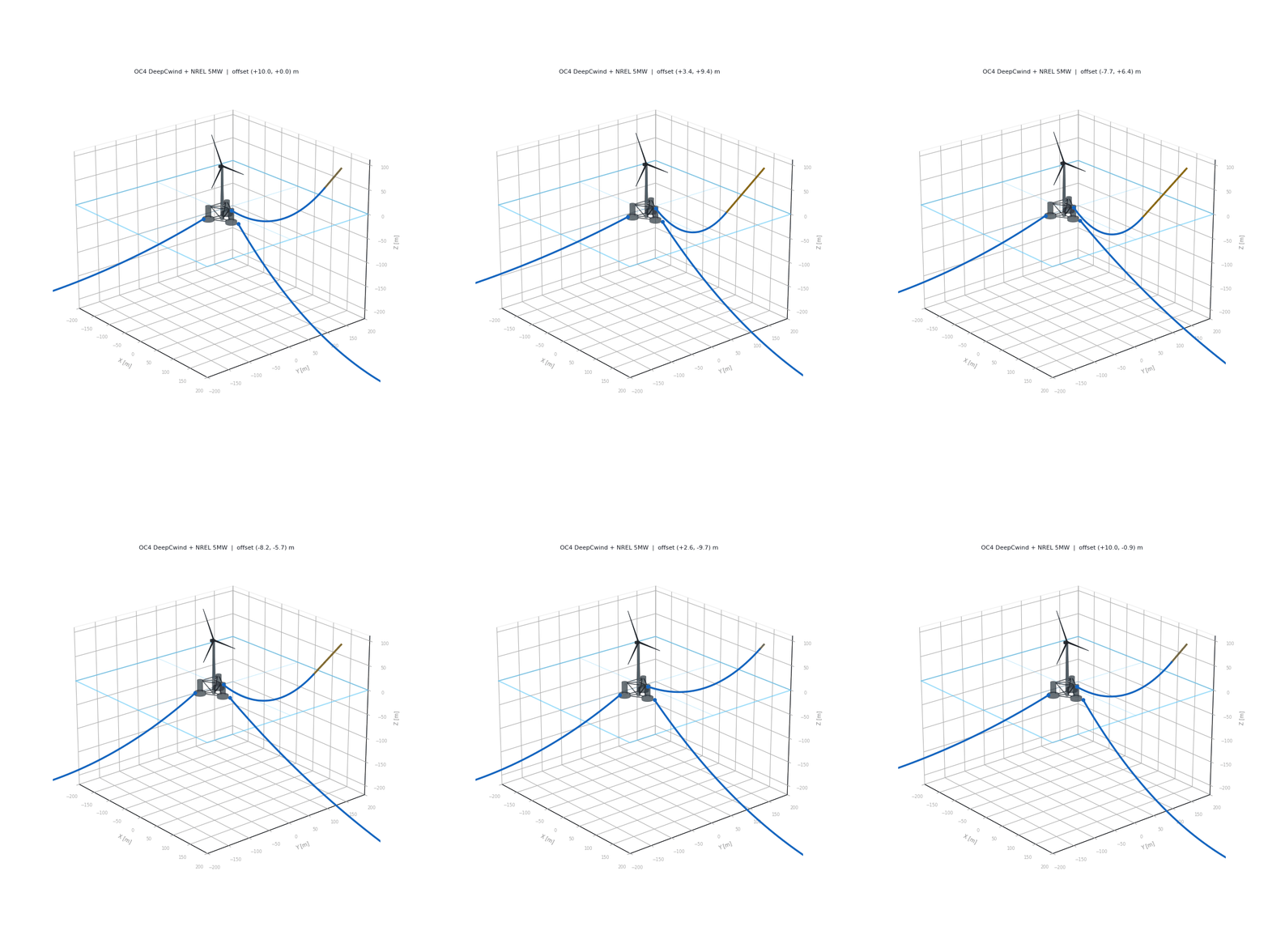
One Line. Four Models. Which One, and When?
Mooring lines bend, sag, drag along the seabed, and reshape with every platform motion. What force does that shape put on the platform right now? The answer drives early design, safety margins, and…
Read post →